Therapy for Relational Concerns
New Hampshire | Rhode Island | Connecticut | Maine | Massachusetts | Vermont
Find Connection, Care, and Meaningful Relationships
Relational Therapy is a relationship-focused approach to mental health treatment that recognizes how deeply our emotional well-being is shaped by our connections with others and with ourselves.
This therapeutic approach helps individuals explore patterns in relationships of all kinds, understand emotional responses, and develop healthier, more fulfilling ways of relating.
What To Expect In Relational Therapy?

Sessions are collaborative, supportive, and paced to meet your needs.
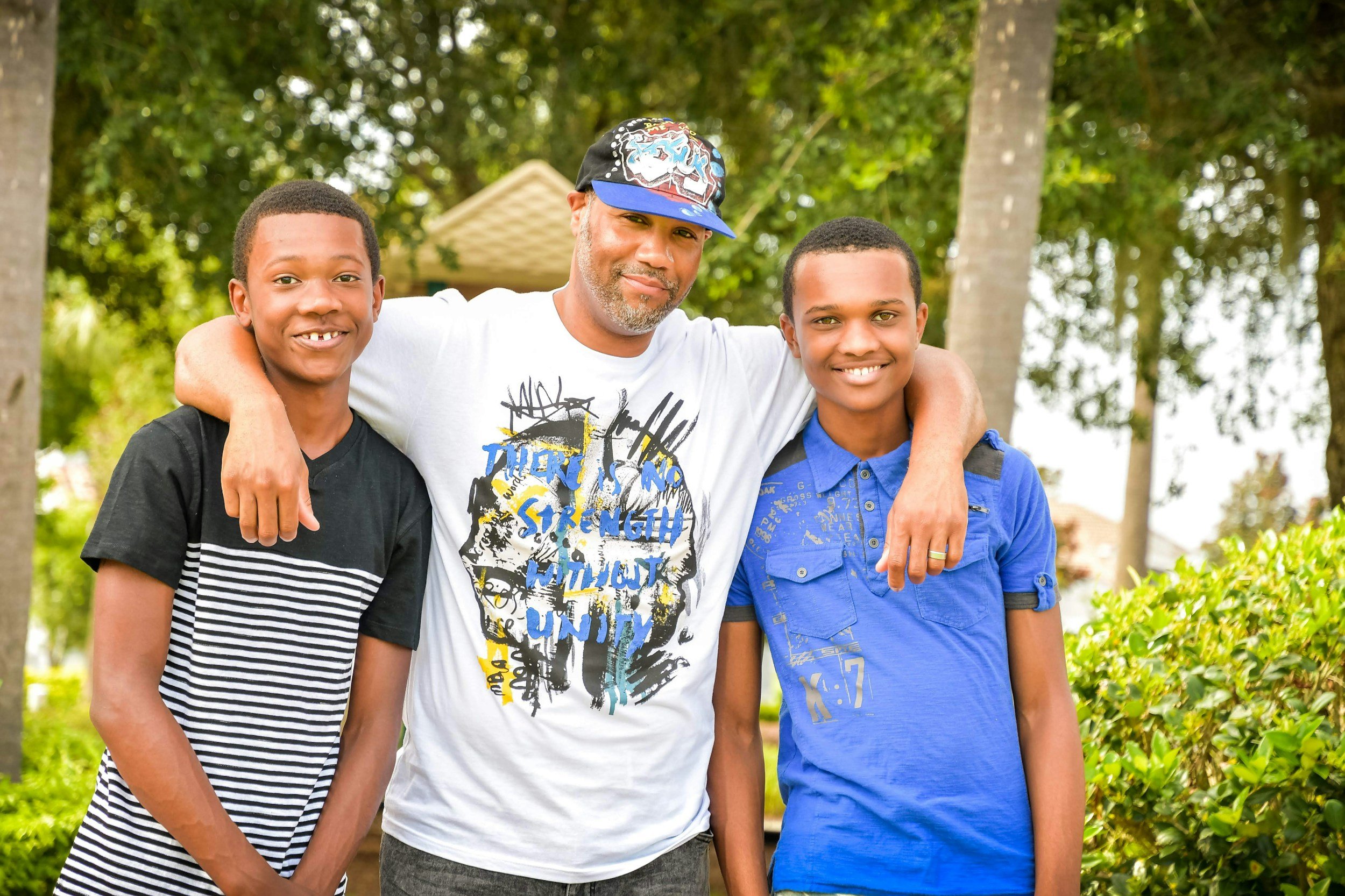
Thoughtful exploration of past and present relationships

Build awareness, resilience, and more satisfying relationships
Explore your experiences with curiosity and respect, process emotions and develop insight.
How Relational Therapy in New England Helps
This approach integrates elements from attachment theory, psychodynamic therapy, relational neuroscience, and systems theory to create a flexible and individualized treatment experience. In Relational Therapy, the therapeutic relationship itself is a key part of the healing process. Sessions focus on:
Exploring relationship patterns and responses
Identifying unmet needs and relational wounds
Increasing self-awareness and emotional regulation
Developing healthier boundaries and communication skills
Strengthening self-compassion and agency
What Is Relational Therapy?
Generalized Relational Therapy is grounded in the belief that humans are inherently relational beings. Our early experiences, attachment patterns, family systems, and social environments influence how we see ourselves and interact with others throughout life.
Rather than focusing solely on symptoms, this approach looks at the relational contexts in which emotional distress develops and persists. Therapy becomes a collaborative process where insight, emotional safety, and authentic connection support healing and growth.
WHO CAN BENEFIT?
Generalized Relational Therapy can be helpful for individuals experiencing:
Anxiety and chronic stress
Relationship difficulties or recurring conflict
Attachment wounds or fear of closeness
Trauma or complex trauma
Life transitions, identity exploration, or burnout
Difficulty setting boundaries or expressing needs

ADVANTAGES OF RELATIONAL THERAPY:
Improved emotional regulation
Greater self-understanding and clarity
Healthier relationship dynamics
Increased confidence and self-trust
Reduced symptoms of anxiety and depression
A stronger sense of connection and meaning
By addressing root relational patterns, change tends to be deeper and more enduring.

YOU CAN STRENGTHEN YOUR RELATIONSHIPS HERE
If you’re feeling stuck in repetitive patterns, overwhelmed by emotions, or disconnected from yourself or others, Relational Therapy may be a powerful next step. Healing happens in relationship and you don’t have to do it alone.
Ready to get started?
Contact us today to learn more or to schedule an initial consultation.
Your path to calm, clarity, and confidence starts here.