
DBT Therapy
New Hampshire | Maine | Massachusetts | Connecticut | Rhode Island | Vermont
Build Emotional Balance, Resilience, and Healthy Coping Skills
Dialectical Behavior Therapy (DBT) is a highly effective, evidence-based form of therapy designed to help individuals manage intense emotions, improve relationships, and develop healthier ways to cope with life’s challenges. DBT therapy is especially helpful for people who feel emotionally overwhelmed, stuck in patterns of self-destructive behaviors, or struggling with mood instability.
At our practice, DBT is offered in a compassionate, structured, and skills-focused environment to support lasting change and emotional growth.
Why Seek DBT Therapy?

DBT therapy is trauma-informed, supportive, and tailored to your unique needs.
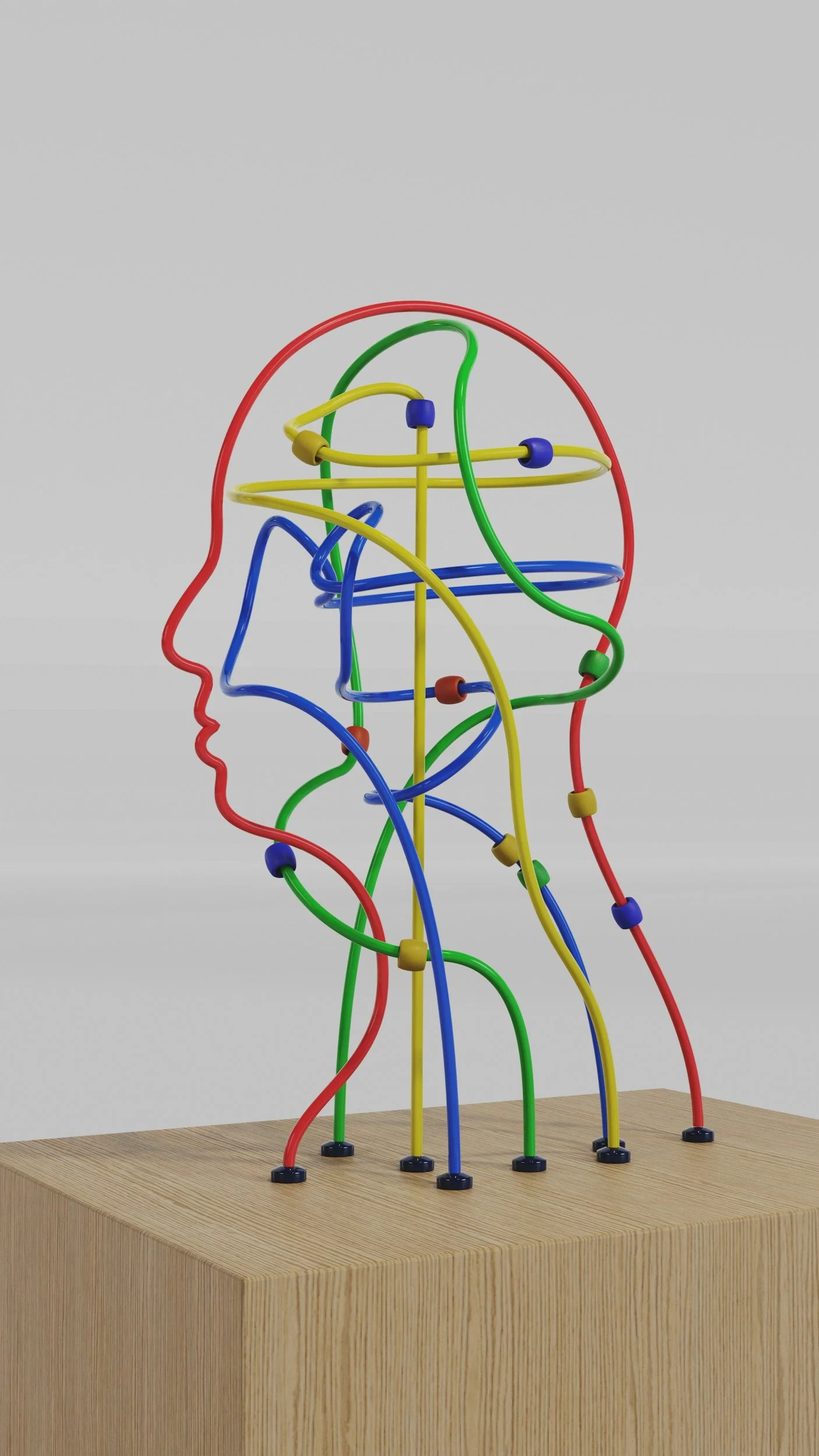
We believe in meeting you where you are while helping you move toward meaningful change.

Therapy is a space where you can feel validated, understood, and challenged in healthy ways.
DBT sessions are structured, collaborative, and goal-oriented.
What is DBT Therapy in New England?
Dialectical Behavior Therapy is a type of cognitive-behavioral therapy (CBT) that emphasizes both acceptance and change. The term “dialectical” refers to balancing two truths at once, accepting yourself as you are while actively working toward positive change. DBT helps clients:
Understand and regulate intense emotions
Reduce impulsive or self-harm behaviors
Improve communication and relationships
Build distress tolerance and mindfulness skills
Restore peace and joy in your life
Core Skills Taught in DBT
DBT therapy focuses on four essential skill areas:
-
Mindfulness skills help you stay present, increase awareness of thoughts and emotions, and reduce reactivity.
-
These skills teach you how to cope with crisis situations without making things worse, helping you survive difficult moments safely.
-
Emotion regulation skills help you understand emotions, reduce emotional vulnerability, and respond more effectively to intense feelings.
-
You’ll learn how to communicate your needs, set healthy boundaries, and maintain self-respect in relationships.
BENEFITS OF DBT
Clients who engage in DBT often experience:
Improved emotional control
Reduced self-destructive behaviors
Stronger, healthier relationships
Increased self-confidence and self-compassion
Better stress management and coping skills
DBT therapy empowers you with tools you can use for the rest of your life.

WHAT TO EXPECT IN DBT
DBT sessions are structured, collaborative, and goal-oriented. Therapy may include:
Individual DBT therapy sessions
Skills-based learning and practice
Homework and real-life application of skills
Ongoing support focused on progress and accountability
Your therapist will work with you to create personalized treatment goals and help you apply DBT skills to everyday life.

YOU DESERVE QUALIFIED CARE
Our approach to DBT therapy is trauma-informed, supportive, and tailored to your unique needs. We believe in meeting you where you are while helping you move toward meaningful change.
Therapy is a space where you can feel validated, understood, and challenged in healthy ways.
If you’re feeling emotionally overwhelmed or stuck in painful patterns, DBT therapy can help. You don’t have to navigate this alone.
Contact us today to schedule a consultation or learn more about our DBT therapy services.

Frequently Asked Questions
-
Comprehensive DBT typically consists of four parts:
Individual Therapy: Weekly one-on-one sessions with a therapist to work on personal goals and address behaviors.
Skills Training Group: Weekly group sessions (often lasting 2 hours) where you learn and practice new coping skills.
Phone Coaching: Between-session support from your therapist to help you apply skills to real-world situations.
Consultation Team: Your therapist meets weekly with a team of other DBT clinicians to stay motivated and ensure the best possible care.
-
DBT focuses on building five core sets of skills:
Mindfulness: Staying present and aware in the current moment without judgment.
Distress Tolerance: Getting through intense emotions without making the situation worse.
Emotion Regulation: Understanding, naming, and changing specific emotions.
Interpersonal Effectiveness: Communicating clearly, setting boundaries, and maintaining self-respect.
Walking the Middle Path: Finding balance between two opposing extremes (e.g., being both reasonable and emotional).
-
Standard outpatient programs typically last between 6 to 12 months, though many individuals stay in the program for up to 1 to 2 years to fully master and integrate the skills.
-
No. While DBT was originally developed to treat BPD, it is highly effective for a wide range of mental health challenges. It is commonly used to treat severe depression, anxiety, trauma, eating disorders, and substance use disorders.
-
Yes. Clients are typically required to fill out a daily diary card to track their moods, urges, and behaviors. You will also be given specific homework assignments to practice the coping skills you learn in the group sessions.
-
Many people turn to DBT after other therapies have failed. This is often because DBT specifically targets "skill deficits" rather than just helping you gain insight into why you feel a certain way.